
In a world where pets have become family, the final chapter of their lives is undergoing a quiet but profound transformation. What was once a taboo topic—pet funerals and memorials—has evolved into a compassionate industry that blends emotional healing, cultural ritual, technology, and even sustainability. Far from being a niche service, pet aftercare is becoming a global movement that redefines how we honor the animals who shared our homes and hearts.
A New Kind of Grief
Pet loss is a unique emotional experience. It’s quiet, deeply personal, and often misunderstood. Traditional society has long minimized it—“It’s just a pet,” people say—but modern psychology tells a different story. Studies now recognize pet loss as real grief with real emotional and physiological impact. This shift in understanding has paved the way for professional services that validate the love people feel for their companions.
From Backyard Burials to Personalized Rituals
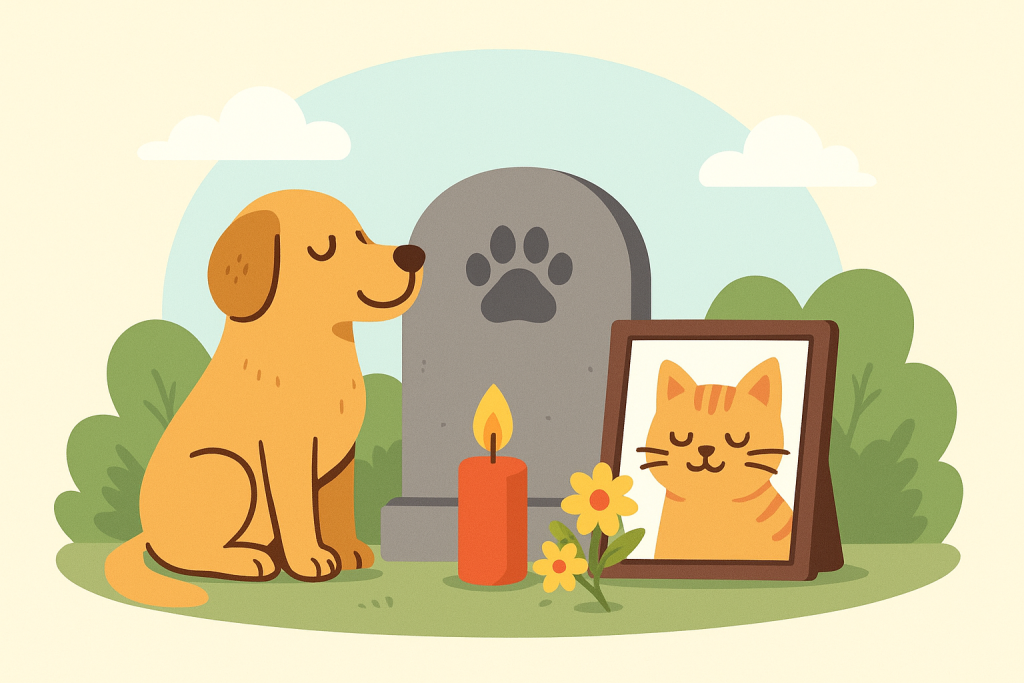
Pet funerals today are not simply practical—they are symbolic acts of closure. Families hold candle ceremonies, write letters to their pets, bury time capsules, or plant memorial trees infused with biodegradable ashes. Some choose paw-print keepsakes, nose-print art, or jewelry made from memorial materials. These rituals serve a purpose: giving structure to grief and helping people transition from loss to remembrance.
The Rise of Pet Cremation Culture
Cremation has become the backbone of modern pet aftercare. What’s different now is the level of transparency and dignity offered. Private cremations, witness rooms, video verification, and chain-of-custody tracking systems ensure families receive their pet’s ashes—not a mix of unknown remains. The shift mirrors human aftercare trends, emphasizing respect, trust, and personalized choice.
Technology Moves In
The digital era is reshaping remembrance. Virtual memorial walls, QR-coded headstones, and interactive online tribute pages allow families to store photos, videos, and stories indefinitely. Some services even offer 3D-printed urns, holographic portraits, or AI-generated “memory diaries” based on uploaded content. Pet memorialization is no longer confined to a physical space—it now lives in the cloud, accessible anywhere grief is felt.
Eco-Conscious Farewells
Sustainability is influencing end-of-life care for pets as much as for humans. More families are choosing water cremation (aquamation), biodegradable urns, natural stone markers, and eco-friendly burial pods. The concept is simple: saying goodbye in a way that returns life to the earth. This approach resonates strongly with pet parents who see their animals as embodiments of unconditional, natural love.
Cultural Diversity, Shared Love
Japan has pet temples. The U.S. has dedicated pet cemeteries with full-service chapels. South Korea offers high-tech remembrance centers with digital shrines. Across cultures, the specifics differ, but one truth is universal: humans need meaningful ways to honor the creatures who shaped their everyday lives.
A Growing Industry with a Human Mission
As demand increases, the pet aftercare industry is professionalizing. Veterinarians, grief counselors, cremation specialists, and spiritual practitioners are coming together to create systems that uphold dignity and emotional support. This isn’t just business—it’s a service rooted in empathy.
The Future of Pet Memorialization
Looking ahead, we may see:
• hybrid digital-physical remembrance gardens
• AI companions that help recount a pet’s life story
• biodegradable tribute sculptures
• community-based remembrance events and festivals
In an era where pets bring comfort, routine, and identity, honoring their departure is not indulgent—it is human.
Conclusion
The pet funeral and memorial services market reflects a new understanding: love does not end when life does. By creating thoughtful, beautiful, and personalized ways to say goodbye, we are giving our animals what they gave us every day—connection, meaning, and a place in our hearts that never fades.