
No one noticed when the first “pet wellness credit card” appeared. It looked like a normal financial product—except the smiling golden retriever on the brochure. But behind that friendly face was the beginning of an unexpected economic revolution: pet medical expenses have become one of the most emotional forms of consumer spending in the modern world.
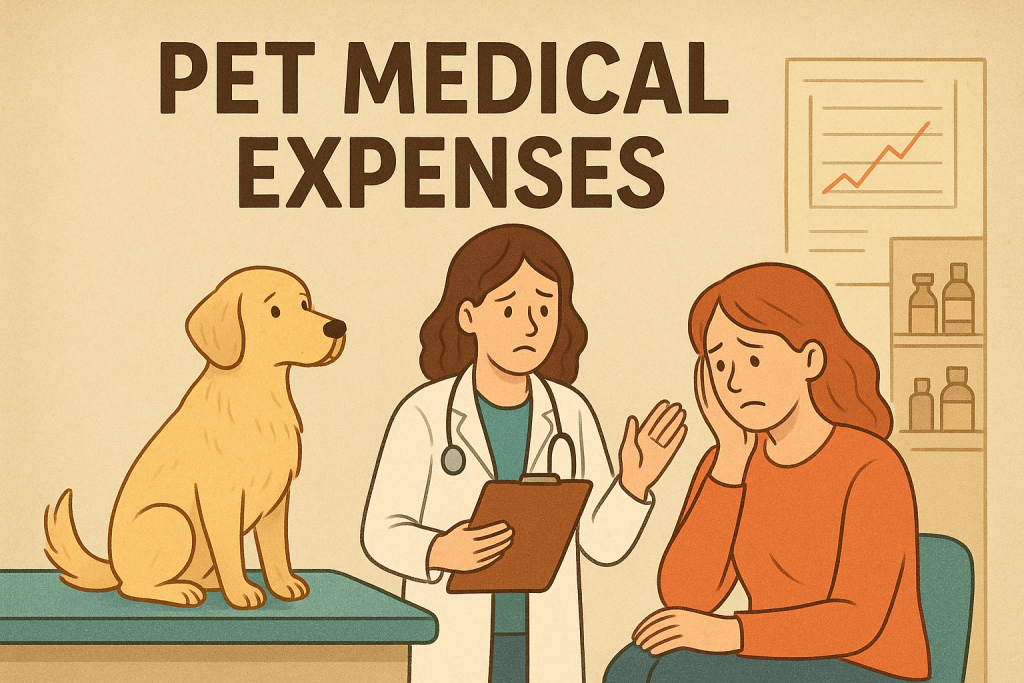
The Price of Love, Itemized
In the past, pet ownership meant food, toys, and the occasional vaccine. Today’s pet parents face invoices that read like human hospital bills:
- CT scans
- Allergy panels
- Laparoscopic surgeries
- Oncology treatments
- Behavioral neurology consultations
Many owners experience a strange psychological conflict: they hesitate to spend on themselves but will pay any price for their pet. One veterinarian calls it “the loyalty surcharge”—a financial expression of love that defies logic but makes perfect emotional sense.
Vet Clinics as Micro-Hospitals
Modern veterinary clinics increasingly resemble small-scale human hospitals. Some have 24/7 emergency units, internal medicine departments, even pet ICUs with tiny oxygen chambers glowing softly at night.
In a paradoxical twist, pets have gained access to medical technology faster than many humans in developing regions.
When a dog receives MRI scans more advanced than those in some community hospitals, it forces us to confront a provocative question:
Have pets become our most medically privileged dependents?
The Rise of the ‘Financial Triage’ Moment
Every pet owner eventually faces the moment that defines modern veterinary care:
A vet enters the exam room, sighs, and gently asks, “How aggressive do you want to be with treatment?”
What follows is neither science nor finance—it is a form of emotional triage.
People make decisions not based on income, but on memories:
- “He slept beside me every night for 12 years.”
- “She got me through my divorce.”
- “He’s the last thing my father left me.”
Economists can’t quantify those attachments, yet they drive thousands of dollars in spending every day.
Insurance: The New Emotional Safety Net
Pet insurance used to be niche. Now it is a psychological tool, a way for owners to reassure themselves:
“No matter what happens, I won’t have to choose between money and love.”
Interestingly, insurance companies report a surge in claims for chronic conditions—diabetes, arthritis, heart disease—confirming that pets are living longer than ever before, creating a new demographic category: geriatric pets.
Just as human societies struggle with aging populations, pet owners are discovering the emotional and financial complexities of caring for elderly animals.
When Veterinary Bills Become Love Letters
At first glance, a vet invoice is a cold document—numbers, codes, medications.
But look again.
Behind every charge is a decision made out of devotion:
- An x-ray because you’re worried.
- A dental cleaning because you want comfort.
- A surgery because you want time.
Pet medical expenses might be the only form of spending in which the cost is painful, but paying it feels right.
The Coming Future: Subscription-Based Health for Pets
A surprising trend is emerging: wellness subscription plans. Pay monthly, and your pet receives vaccinations, checkups, bloodwork, even telehealth access.
Some futurists predict we may soon see:
- Pet genetic health scoring
- Personalized longevity supplements
- AI-driven early disease detection from a pet’s voice, steps, or sleep
- “Age-reversal” therapies for high-value breeds
Today’s vet bills might be only the preface to a world where pets routinely outlive their biological expectations.
So What Are We Really Paying For?
It’s not treatment.
It’s not medicine.
It’s certainly not luxury.
We are paying for continuity—the continuation of a relationship that, in some quiet corner of our hearts, feels priceless.
And perhaps that’s why pet medical expenses aren’t just rising—they’re becoming one of the clearest mirrors of how deeply intertwined human and animal lives have become.